영어가 안 터지는 진짜 이유, 단어가 부족해서일까요? 아니면 문법을 몰라서일까요?
정답은 “머릿속에서 문장을 시제, 전치사, 어순까지 처음부터 끝까지 다 ‘제작’하려고 하기 때문”입니다.
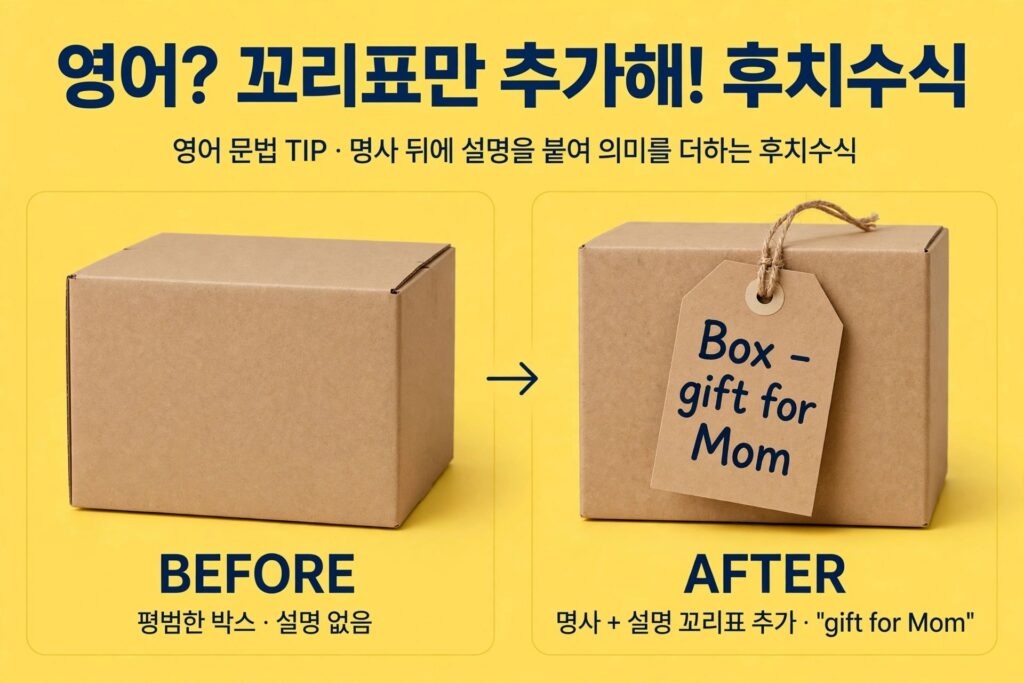
대화는 순간인데, 머릿속에서 공장을 돌리다 보니 입이 떨어지지 않는 것이죠. <첫단영> 채널이 제시하는 해결책은 간단합니다. 문장을 만들지 말고, 준비된 ‘마법의 틀’에 ‘알맹이 표현’을 부품처럼 착! 착! 갈아 끼우는 [조립식 영어]를 시작하세요.
📌 목차 (Table of Contents)
- 왜 ‘조립식 영어’가 가장 빠른 회화 트레이닝일까?
- 조립식 영어의 핵심 원리: 틀 + 알맹이
- 실전 적용: 일상생활 알맹이 표현 20선 (바로 쓰기)
- 200% 효과 높이는 스피드 섀도잉 알맹이 표현 300개 훈련
1. 왜 ‘조립식 영어’가 가장 빠른 회화 트레이닝일까?
우리가 한국어로 말할 때 “나는 / 지금 / 내 의지에 의하여 / 퇴근이라는 / 행위를 / 하려고 / 한다”라고 생각하지 않습니다. “나 퇴근해야 해”라는 덩어리가 바로 나오죠.
영어 원어민도 마찬가지입니다. 그들은 문법을 계산해서 말하지 않고, 이미 만들어진 패턴(Framework)에 필요한 표현(Module)을 교체할 뿐입니다.
- 기존 방식: 주어 찾기 → 동사 변형 → 전치사 고민 → 어순 배치 (속도: 5~10초 소요 ❌)
- 조립식 방식 (나의 첫단영 컨셉): 고정 틀(
I need to ~) + 알맹이 부품(get off work) (속도: 0.1초 즉시 발화 ⭕)
이 부품 교체 방식만 익히면, 단 10개의 기본 틀만으로도 100개, 1,000개의 문장을 자유자재로 만들어낼 수 있습니다.
2. [첫단영] 조립식 영어의 핵심 원리: 틀 + 알맹이
‘나의 첫단영’에서 강조하는 회화 공식은 단 하나입니다.
{입에 익은 고정 틀 (Frame)} + {상황별 알맹이 표현 (Module)} = {완성된 실전 문장}
💡 대표 마법 틀 (Engine) 예시
I'm planning to ~(~할 예정이야)I need to ~(~해야 해)Did you have a chance to ~?(혹시 ~할 기회 있었어 / ~했어?)Is it okay if I ~?(내가 ~해도 괜찮을까?)
이제 이 틀 뒤에 아래의 알맹이(동사구) 표현만 끼워 넣으면 문장이 즉시 완성이 됩니다.
3. 실전 적용: 일상생활 알맹이 표현 20선
가장 자주 쓰는 일상 및 직장 알맹이 표현을 준비했습니다. 고정 틀 I need to ~ (~해야 해) 뒤에 그대로 갈아 끼워 보세요!
| 구분 | 한국어 알맹이 표현 | 일상 영어 부품 (Module) | I need to ~ 조합 실전 문장 |
| 직장 | 퇴근하다 | get off work | I need to get off work. |
| 직장 | 야근하다 | work overtime | I need to work overtime. |
| 직장 | 마감일을 맞추다 | meet the deadline | I need to meet the deadline. |
| 직장 | 휴가를 내다 | take days off | I need to take days off. |
| 일상 | 이를 닦다 | brush my teeth | I need to brush my teeth. |
| 일상 | 빨래를 돌리다 | do the laundry | I need to do the laundry. |
| 일상 | 쓰레기를 버리다 | take out the trash | I need to take out the trash. |
| 일상 | 차가 밀리다 / 차에 갇히다 | get stuck in traffic | (I might) get stuck in traffic. |
| 외출 | 장을 보다 | do grocery shopping | I need to do grocery shopping. |
| 외출 | 약속을 미루다 | reschedule my plans | I need to reschedule my plans. |
| 외출 | 더치페이하다 | split the bill | We need to split the bill. |
| 외출 | 음식을 포장하다 | get food to go | I need to get food to go. |
| 건강 | 살을 빼다 | lose weight | I need to lose weight. |
| 건강 | 스트레스를 풀다 | relieve stress | I need to relieve stress. |
| 건강 | 약을 먹다 | take medicine | I need to take medicine. |
| 디지털 | 휴대폰을 충전하다 | charge my phone | I need to charge my phone. |
| 디지털 | 비밀번호를 재설정하다 | reset my password | I need to reset my password. |
| 관계 | 사과하다 | make an apology | I need to make an apology. |
| 관계 | 오해를 풀다 | clear up the misunderstanding | I need to clear up the misunderstanding. |
| 관계 | 오해하지 않게 선을 긋다 | keep my distance | I need to keep my distance. |
📌 Tip:
I need to대신I'm going to(~할 거야)나I'm planning to(~할 계획이야)로 틀만 바꾸면 문장의 뉘앙스가 완전히 달라집니다. 이것이 바로 조립식 영어의 위력입니다!
4. 200% 효과 높이는 스피드 섀도잉 알맹이 표현 300개
눈으로 표를 보는 것만으로는 입이 열리지 않습니다. 실전 스피드 섀도잉 훈련 예제를 입으로 소리내서 말하면서 그 표현이 의미하는 상황 이미지, 느낌 등을 자신의 입장에서 생각하고 느끼면서 연습합니다.
1단계: 우리말을 보고 바로 영어로 바꿔 말하는 연습을 합니다.
2단계: 자신이 만든 영어 표현과 옆에 제시된 표현을 비교해 봅니다.
3단계: 하나의 공통 이미지, 느낌을 떠올리며 영어와 한국어를 번갈아 말하면서 표현이 몸에 배도록 연습합니다!
| 한국어 | 영어(알맹이-진하게) | 예문 | |
| 1 | 일어나다 | wake up | I wake up at 7am. |
| 2 | 세수하다 | wash my face | I wash my face every morning. |
| 3 | 샤워하다 | take a shower | I take a shower in the morning. |
| 4 | 밥 먹다 | have a meal | Let’s have a meal together. |
| 5 | 밥 차리다 | set the table | Can you help set the table? |
| 6 | 설거지하다 | do the dishes | It’s your turn to do the dishes. |
| 7 | 청소하다 | clean up | I need to clean up my room. |
| 8 | 빨래하다 | do laundry | I have to do laundry today. |
| 9 | 옷 갈아입다 | change clothes | I’ll change clothes. |
| 10 | 옷 입다 | get dressed | Get dressed quickly! |
| 11 | 양치하다 | brush my teeth | Don’t forget to brush your teeth. |
| 12 | 머리 감다 | wash my hair | I wash my hair every other day. |
| 13 | 화장하다 | put on makeup | It takes 10 minutes to put on makeup. |
| 14 | 늦잠 자다 | oversleep | I overslept this morning. |
| 15 | 잠들다 | fall asleep | I fell asleep on the sofa. |
| 16 | 장 보다 | do grocery shopping | I need to do grocery shopping. |
| 17 | 쇼핑하러 가다 | go shopping | Want to go shopping this weekend? |
| 18 | 요리하다 | cook | I love to cook at home. |
| 19 | 심부름하다 | run an errand | I need to run an errand. |
| 20 | 산책하다 | go for a walk | Let’s go for a walk. |
| 21 | 외출하다 | go out | I’m going out for a bit. |
| 22 | 집에 가다 | head home | I should head home now. |
| 23 | 이사하다 | move | We’re moving next month. |
| 24 | 군입대 하다 | join the army | He joined the army last year. |
| 25 | 제대하다 | finish military service | He finished his military service. |
| 26 | 운전하다 | drive | Can you drive? |
| 27 | 주차하다 | park | Park over there. |
| 28 | 길을 잃다 | get lost | I got lost downtown. |
| 29 | 길 찾다 | find my way | I finally found my way. |
| 30 | 예약하다 | make a reservation | I made a reservation for two. |
| 31 | 주문하다 | place an order | I’d like to place an order. |
| 32 | 계산하다 | pay / check out | Can we pay separately? |
| 33 | 빌리다 | borrow | Can I borrow some money? |
| 34 | 갚다 | pay back | I’ll pay you back tomorrow. |
| 35 | 저축하다 | save up | I’m trying to save up. |
| 36 | 돈 쓰다 | spend money | I spend too much money. |
| 37 | 머리 자르다 | get a haircut | I need to get a haircut. |
| 38 | 아프다 | be sick | I’m feeling sick today. |
| 39 | 감기 걸리다 | catch a cold | I caught a cold. |
| 40 | 병원에 가다 | go to the doctor | You should go to the doctor. |
| 41 | 약 먹다 | take medicine | Did you take your medicine? |
| 42 | 다이어트하다 | be on a diet | I’m on a diet. |
| 43 | 운동하다 | work out | I work out 3 times a week. |
| 44 | 살찌다 | gain weight | I gained weight. |
| 45 | 살 빠지다 | lose weight | You lost weight! |
| 46 | 결혼하다 | get married | They got married last year. |
| 47 | 이혼하다 | get divorced | They got divorced. |
| 48 | 초대하다 | invite | I’ll invite them over. |
| 49 | 학교 가다 | go to school | I have to go to school. |
| 50 | 지각하다 | be late | I was late for school. |
| 51 | 공부하다 | study | I need to study for the test. |
| 52 | 숙제하다 | do homework | I have to do my homework. |
| 53 | 시험 보다 | take an exam | I have an exam tomorrow. |
| 54 | 붙다 | pass the exam | I passed the exam! |
| 55 | 떨어지다 | fail the exam | I failed the exam. |
| 56 | 졸업하다 | graduate | I graduated last year. |
| 57 | 취업하다 | get a job | She got a job at Samsung. |
| 58 | 출근하다 | go to work | I go to work at 8. |
| 59 | 퇴근하다 | get off work | I get off work at 6. |
| 60 | 야근하다 | work overtime | I have to work overtime. |
| 61 | 회의하다 | have a meeting | We have a meeting at 10. |
| 62 | 발표하다 | give a presentation | I have to give a presentation. |
| 63 | 퇴사하다 | quit my job | He quit his job. |
| 64 | 해고당하다 | get fired | He got fired yesterday. |
| 65 | 월급 받다 | get paid | I get paid on Friday. |
| 66 | 승진하다 | get promoted | I got promoted! |
| 67 | 면접 보다 | have an interview | I have an interview tomorrow. |
| 68 | 마감 지키다 | meet the deadline | We need to meet the deadline. |
| 69 | 실수하다 | make a mistake | I made a mistake. |
| 70 | 배우다 | learn | I’m learning English. |
| 71 | 이해하다 | understand | I understand now. |
| 72 | 까먹다 | forget | I forgot his name. |
| 73 | 기억나다 | remember | I remember you! |
| 74 | 검색하다 | look it up | Let me look it up. |
| 75 | 사랑하다 | love | I love you. |
| 76 | 사귀다 | be dating | Are you guys dating? |
| 77 | 고백하다 | confess | He confessed his feelings. |
| 78 | 차이다 | get dumped | He got dumped. |
| 79 | 헤어지다 | break up | They broke up. |
| 80 | 싸우다 | have a fight | We had a fight. |
| 81 | 화해하다 | make up | We made up. |
| 82 | 화나다 | be mad | Don’t be mad. |
| 83 | 기분 좋다 | be in a good mood | I’m in a good mood today. |
| 84 | 걱정하다 | worry | Don’t worry about it. |
| 85 | 미안하다 | be sorry | I’m sorry. |
| 86 | 약속하다 | promise | I promise. |
| 87 | 약속 취소하다 | cancel plans | I have to cancel plans. |
| 88 | 연락하다 | get in touch | Let’s get in touch. |
| 89 | 보고 싶다 | miss you | I miss you. |
| 90 | 놀다 | hang out | Want to hang out tonight? |
| 91 | 쉬다 | take a break | Let’s take a break. |
| 92 | 여행 가다 | go on a trip | I want to go on a trip. |
이전 글 보기: I는 내가 아니다? 25문장으로 말문 트는 아바타 영어 실전편
다음 글 보기: 영어회화 99%가 틀리는 5가지 꼬인 습관 고치는 법 | 튜터SB
첫단영 전체 로드맵 보기: 첫단영 전체 로드맵 – 3단계로 끝내기
Why do your words get stuck when you try to speak English? Is it a lack of vocabulary, or do you not know enough grammar?
The real issue is that you are trying to construct every sentence from scratch—calculating tenses, prepositions, and word order all at once.
Real-world conversations move fast. While your brain is working like a factory to build a sentence, the moment passes. The solution from My First Step English is simple: stop manufacturing full sentences on the fly. Instead, use Modular English—plug ready-made action phrases into quick, fixed starter frames.
📌 Table of Contents
- Why Modular English Is the Fastest Way to Fluency
- The Core Principle: Starter Frame + Action Phrase
- 20 Essential Everyday Action Phrases (Plug & Play)
- Speed Shadowing Tips for Maximum Results
- Frequently Asked Questions (FAQ)
1. Why Modular English Is the Fastest Way to Fluency
When native speakers talk, they do not calculate grammar rules in real time. They rely on pre-built frameworks and swap in specific expressions as needed.
- Traditional Method: Find the subject → Conjugate the verb → Choose prepositions → Arrange word order (Time: 5–10 seconds ❌)
- Modular Strategy: Fixed Frame (
I need to ~) + Action Phrase (get off work) (Time: Instant 0.1s response ⭕)
By mastering this plug-and-play approach, just 10 foundational frames can unlock hundreds of fluent sentences effortlesssly.
2. The Core Principle: Starter Frame + Action Phrase
The formula taught at My First Step English is straightforward:
$$\text{Fixed Starter Frame} + \text{Everyday Action Phrase} = \text{Complete Spoken Sentence}$$
💡 High-Frequency Starter Frames
I'm planning to ~I need to ~Did you have a chance to ~?Is it okay if I ~?
Attach an action phrase directly to any of these frames, and your sentence is complete.
3. 20 Essential Everyday Action Phrases (Plug & Play)
Here are 20 highly useful expressions. Try combining them with the starter frame I need to ~:
| Category | Everyday Korean Meaning | Action Phrase (Module) | Complete Sentence Example |
| Work | 퇴근하다 | get off work | I need to get off work. |
| Work | 야근하다 | work overtime | I need to work overtime. |
| Work | 마감일을 맞추다 | meet the deadline | I need to meet the deadline. |
| Work | 휴가를 내다 | take days off | I need to take days off. |
| Daily | 이를 닦다 | brush my teeth | I need to brush my teeth. |
| Daily | 빨래를 돌리다 | do the laundry | I need to do the laundry. |
| Daily | 쓰레기를 버리다 | take out the trash | I need to take out the trash. |
| Daily | 차가 밀리다 | get stuck in traffic | (I might) get stuck in traffic. |
| Outdoors | 장을 보다 | do grocery shopping | I need to do grocery shopping. |
| Outdoors | 약속을 미루다 | reschedule my plans | I need to reschedule my plans. |
| Outdoors | 더치페이하다 | split the bill | We need to split the bill. |
| Outdoors | 음식을 포장하다 | get food to go | I need to get food to go. |
| Health | 살을 빼다 | lose weight | I need to lose weight. |
| Health | 스트레스를 풀다 | relieve stress | I need to relieve stress. |
| Health | 약을 먹다 | take medicine | I need to take medicine. |
| Digital | 휴대폰을 충전하다 | charge my phone | I need to charge my phone. |
| Digital | 비밀번호를 재설정하다 | reset my password | I need to reset my password. |
| Social | 사과하다 | make an apology | I need to make an apology. |
| Social | 오해를 풀다 | clear up the misunderstanding | I need to clear up the misunderstanding. |
| Social | 거리를 두다 | keep my distance | I need to keep my distance. |
📌 Tip: Swap
I need towithI'm going toorI'm planning toto instantly shift the tone of your sentence.
4. Speed Shadowing Tips for Maximum Results
Reading a list is not enough to build muscle memory. Practice with these three training steps:
- Visual & Auditory Association: Watch how the action phrases snap into the starter frame and read along slowly.
- Rapid Recall: When you think of a Korean context, recall the English action phrase within 2 seconds.
- Mouth Muscle Practice: Speak out loud for 10 minutes daily at full native speed.
💬 Frequently Asked Questions (FAQ)
Q1. Can I speak fluent English even if my grammar is basic?
Yes. Starter frames are pre-structured with correct grammar. Pluggable action phrases complete the sentence naturally without structural errors.
Q2. How many action phrases should I learn?
Mastering around 300 to 500 core expressions covers over 80% of daily conversations, travel needs, and workplace interactions.
| 한국어 표현 | 일상 영어 표현 |
| 1. 일상 생활 및 루틴 | |
| 아침에 깨어나다 | wake up |
| 침대에서 일어나다 | get out of bed |
| 세수하다 | wash my face |
| 이를 닦다 | brush my teeth |
| 샤워하다 | take a shower |
| 옷을 입다 | get dressed |
| 머리를 감다 | wash my hair |
| 머리를 말리다 | dry my hair |
| 화장하다 | put on makeup |
| 아침을 먹다 | eat breakfast |
| 집을 나서다 | leave the house |
| 버스를 타다 | catch the bus / take the bus |
| 지하철을 갈아타다 | transfer to the subway |
| 차가 밀리다 | get stuck in traffic |
| 집에 돌아오다 | get back home |
| 신발을 벗다 | take off my shoes |
| 저녁을 차리다 | make dinner |
| 설거지하다 | do the dishes |
| 빨래를 돌리다 | do the laundry |
| 청소기를 돌리다 | vacuum the floor |
| 쓰레기를 버리다 | take out the trash |
| 침대에 눕다 | lie down on the bed |
| 잠에 들다 | fall asleep |
| 2. 직장, 학교 및 업무 | |
| 출근하다 | go to work / head to work |
| 퇴근하다 | get off work |
| 야근하다 | work late / work overtime |
| 출석을 부르다 | take attendance |
| 수업을 듣다 | take a class |
| 시험을 보다 | take a test |
| 숙제를 제출하다 | hand in homework |
| 회의를 열다 | hold a meeting |
| 결정을 내리다 | make a decision |
| 보고서를 작성하다 | write a report |
| 이메일을 보내다 | send an email |
| 결재를 받다 | get approval |
| 서류를 검토하다 | review document |
| 프로젝트를 맡다 | take charge of a project |
| 마감일을 맞추다 | meet a deadline |
| 휴가를 내다 | take days off |
| 병가를 쓰다 | call in sick |
| 군입대 하다 | join the military / enlist |
| 제대하다 | get discharged from the military |
| 취직하다 | get a job |
| 이직하다 | change jobs |
| 사직서를 내다 | hand in my resignation |
| 3. 외출, 쇼핑 및 여가 | |
| 쇼핑하러 가다 | go shopping |
| 장을 보다 | do grocery shopping |
| 외식하다 | eat out |
| 영화를 보러 가다 | go to the movies |
| 산책을 하다 | go for a walk |
| 운동을 하다 | work out |
| 드라이브 가다 | go for a drive |
| 약속을 잡다 | make plans |
| 약속을 취소하다 | cancel plans |
| 약속을 미루다 | postpone / reschedule plans |
| 자리를 예약하다 | book a table / reserve a seat |
| 택시를 잡다 | hail a taxi |
| 길을 잃다 | get lost |
| 계산하다 | pay the bill |
| 더치페이하다 | split the bill |
| 음식을 포장하다 | get food to go |
| 줄을 서다 | wait in line |
| 4. 감정, 건강 및 상태 | |
| 감기에 걸리다 | catch a cold |
| 열이 나다 | have a fever |
| 배탈이 나다 | have an upset stomach |
| 살이 뜨다/찌다 | gain weight |
| 살을 빼다 | lose weight |
| 기분이 좋다 | be in a good mood |
| 스트레스를 받다 | get stressed out |
| 스트레스를 풀다 | relieve stress |
| 화를 내다 | lose my temper / get angry |
| 잠을 설치다 | toss and turn / sleep poorly |
| 피곤함을 느끼다 | feel exhausted |
| 기운을 차리다 | cheer up / regain energy |
| 눈물이 나다 | burst into tears |
| 5. 소통 및 인간관계 | |
| 연락을 주고받다 | keep in touch |
| 전화를 받다 | answer the phone |
| 전화를 끊다 | hang up the phone |
| 메시지를 확인하다 | check a message |
| 답장을 보내다 | reply back |
| 사과를 하다 | make an apology / apologize |
| 고마움을 표하다 | express gratitude |
| 부탁을 들어주다 | do a favor |
| 말다툼을 하다 | get into an argument |
| 화해하다 | make up |
| 비밀을 지키다 | keep a secret |
| 소문을 내다 | spread a rumor |
| 바람을 맞히다 | stand someone up |
| 한국어 표현 | 일상 영어 표현 |
| 1. 공항 및 비행기 이용 | |
| 여권을 갱신하다 | renew a passport |
| 비행기를 예매하다 | book a flight |
| 체크인하다 / 탑승 수속을 하다 | check in |
| 짐을 싸다 | pack bags |
| 짐을 붙이다 | check luggage |
| 기내로 짐을 들고 타다 | carry on luggage |
| 보안 검색대를 통과하다 | go through security |
| 여권 심사를 받다 | go through passport control |
| 탑승구로 가다 | head to the gate |
| 비행기에 탑승하다 | board the plane |
| 좌석을 바꾸다 | switch seats |
| 안전벨트를 매다 | fasten the seatbelt |
| 비행기가 이륙하다 | take off |
| 비행기가 착륙하다 | land |
| 수하물을 찾다 | claim luggage / pick up bags |
| 세관을 통과하다 | go through customs |
| 환승하다 | make a transfer / layover |
| 2. 숙소 및 숙박 | |
| 체크인을 하다 | check in |
| 체크아웃을 하다 | check out |
| 짐을 보관하다 | store luggage / leave bags |
| 수건을 추가로 요청하다 | ask for extra towels |
| 룸서비스를 시키다 | order room service |
| 방을 업그레이드하다 | get a room upgrade |
| 에어컨을 켜다/끄다 | turn on/off the AC |
| 와이파이에 연결하다 | connect to Wi-Fi |
| 모닝콜을 부탁하다 | request a wake-up call |
| 보증금을 내다 | pay a deposit |
| 키카드를 두고 나오다 | lock oneself out |
| 3. 길 찾기 및 교통 | |
| 길을 묻다 | ask for directions |
| 길을 잃다 | get lost |
| 지도를 확인하다 | check the map |
| 버스 표를 사다 | buy a bus ticket |
| 다음 정거장에서 내리다 | get off at the next stop |
| 막차를 타다 | catch the last train/bus |
| 택시를 부르다 | call a taxi |
| 트렁크에 짐을 싣다 | put luggage in the trunk |
| 목적지에 도착하다 | arrive at the destination |
| 렌터카를 빌리다 | rent a car |
| 기름을 넣다 | fill up the gas tank |
| 주차 자리를 찾다 | find a parking spot |
| 4. 식당 및 카페 이용 | |
| 자리를 안내받다 | get seated |
| 메뉴판을 요청하다 | ask for the menu |
| 주문을 하다 | place an order |
| 메뉴를 추천받다 | get a recommendation |
| 물을 좀 더 달라고 하다 | ask for extra water |
| 음식을 포장해 가다 | get the food to go |
| 음식을 매장에서 먹다 | eat in / dine in |
| 음식을 추가로 시키다 | order more food |
| 계산서를 달라고 하다 | ask for the check / bill |
| 영수증을 챙기다 | get a receipt |
| 팁을 남기다 | leave a tip |
| 5. 현지 관광 및 활동 | |
| 구경하다 / 둘러보다 | look around |
| 기념품을 사다 | buy souvenirs |
| 사진을 찍어달라고 부탁하다 | ask someone to take a photo |
| 입장권을 사다 | buy an entrance ticket |
| 가이드 투어를 신청하다 | book a guided tour |
| 유명한 장소를 방문하다 | visit a famous spot |
| 야경을 감상하다 | enjoy the night view |
| 대기 명단에 이름을 올리다 | put one’s name on the waiting list |
| 6. 쇼핑 및 환전 | |
| 가격을 물어보다 | ask for the price |
| 입어보다 / 신어보다 | try on |
| 치수를 확인하다 | check the size |
| 깎아달라고 하다 | ask for a discount |
| 현금으로 계산하다 | pay in cash |
| 카드로 계산하다 | pay by credit card |
| 환전하다 | exchange money |
| 면세 혜택을 받다 | get tax refund |
| 환불받다 | get a refund |
| 다른 색상으로 교환하다 | exchange for another color |
| 7. 트러블 대응 및 비상 상황 | |
| 소지품을 잃어버리다 | lose personal belongings |
| 지갑을 소매치기당하다 | get one’s wallet pickpocketed |
| 경찰에 신고하다 | report to the police |
| 대사관에 연락하다 | contact the embassy |
| 약국에서 약을 사다 | buy medicine at a pharmacy |
| 병원에 가다 | see a doctor |
| 차를 긁다 / 사고가 나다 | scratch the car / get into an accident |
| 예약이 취소되다 | have a reservation canceled |
| 결제가 잘못되다 | get overcharged |
| 8. 주거 및 일상 유지 관리 | |
| 월세를 내다 | pay rent |
| 공과금을 납부하다 | pay utility bills |
| 마트에서 장을 보다 | do grocery shopping |
| 생필품을 사다 | buy daily necessities |
| 집을 청소하다 | clean the house |
| 분리수거를 하다 | sort the recycling |
| 택배를 받다 | receive a package |
| 택배를 보내다 | send a parcel |
| 열쇠를 분실하다 | lose the keys |
| 변기가 막히다 | get a clogged toilet |
| 전등을 교체하다 | change a light bulb |
| 9. 금융 및 관공서 이용 | |
| 계좌를 개설하다 | open a bank account |
| 현금을 인출하다 | withdraw cash |
| 돈을 송금하다 | transfer money |
| 서류에 서명하다 | sign a document |
| 신분증을 제시하다 | show ID |
| 대기표를 뽑다 | take a waiting number |
| 주소를 변경하다 | change the address |
| 10. 여가 및 자기계발 | |
| 헬스장 등록하다 | sign up for a gym |
| 취미를 시작하다 | take up a hobby |
| 도서관에서 책을 빌리다 | borrow a book from the library |
| 자전거를 타다 | ride a bike |
| 피크닉을 가다 | go on a picnic |
| 소셜 모임에 참여하다 | join a social meetup |
| 한국어 표현 | 일상 영어 표현 |
| 1. 업무 시작 및 일상 직무 | |
| 출근 도장을 찍다 | clock in |
| 퇴근 도장을 찍다 | clock out |
| 업무 목록을 정리하다 | make a to-do list |
| 이메일을 확인하다 | check emails |
| 이메일 답장을 쓰다 | reply to an email |
| 참고 자료를 첨부하다 | attach a file |
| 서류를 출력하다 | print out documents |
| 복사기 종이가 걸리다 | paper is jammed in the copier |
| 업무를 분담하다 | divide the work |
| 상사에게 보고하다 | report to the boss |
| 피드백을 주다 / 받다 | give / get feedback |
| 업무 우선순위를 정하다 | prioritize tasks |
| 진행 상황을 공유하다 | share progress |
| 일을 미루다 | postpone / delay tasks |
| 일을 처리하다 | handle a task |
| 일을 처리해 내다 / 해내다 | get things done |
| 2. 회의 및 미팅 | |
| 회의를 일정에 잡다 | schedule a meeting |
| 안건을 제출하다 | submit an agenda |
| 회의를 시작하다 | kick off a meeting |
| 회의를 진행하다 | run a meeting |
| 의견을 내다 | share an opinion |
| 아이디어를 내다 | brainstorm ideas |
| 요점을 짚다 | get to the point |
| 주제에서 벗어나다 | get off topic |
| 요약해서 설명하다 | summarize / recap |
| 회의를 마무리짓다 | wrap up the meeting |
| 회의록을 작성하다 | take meeting minutes |
| 회의를 다음으로 미루다 | push back a meeting |
| 3. 협상 및 거래 | |
| 거래를 제안하다 | make a proposal |
| 조건에 합의하다 | agree on terms |
| 양보하다 / 서협하다 | make a compromise |
| 계약을 체결하다 | sign a contract |
| 계약을 파기하다 | break a contract |
| 가격을 협상하다 | negotiate the price |
| 조건에 맞추다 | meet the conditions |
| 제안을 거절하다 | decline a proposal |
| 협상을 타결짓다 | seal the deal |
| 4. 인사 및 조직 생활 | |
| 인턴으로 시작하다 | start as an intern |
| 신입사원을 교육하다 | train new employees |
| 승진하다 | get promoted |
| 임금이 인상되다 | get a raise |
| 감봉되다 | get a pay cut |
| 부서를 이동하다 | transfer to another department |
| 정리해고 당하다 | get laid off |
| 회사에서 잘리다 | get fired |
| 후임자를 구하다 | find a replacement |
| 인수인계를 하다 | hand over duties |
| 인수인계를 받다 | take over duties |
| 5. 감정 및 기분 | |
| 기분이 들뜨다 | feel thrilled |
| 마음이 설레다 | have butterflies in my stomach |
| 벅찬 감정을 느끼다 | feel overwhelmed |
| 마음이 놓이다 | feel relieved |
| 심란하다 | feel uneasy / troubled |
| 서운하다 | feel hurt / disappointed |
| 억울하다 | feel unfair |
| 멍해지다 / 멘붕이 오다 | zone out / lose my mind |
| 질투가 나다 | feel jealous |
| 답답하다 | feel frustrated |
| 부끄럽다 / 쑥스럽다 | feel embarrassed / shy |
| 자존감이 낮아지다 | lose self-esteem |
| 감정을 컨트롤하다 | control one’s emotions |
| 감정이 복받치다 | get emotional |
| 6. 인간관계 및 소통 | |
| 호감을 사다 | make a good impression |
| 신뢰를 쌓다 | build trust |
| 벽을 느끼다 | feel a barrier |
| 선을 넘다 | cross the line |
| 오해를 풀다 | clear up a misunderstanding |
| 눈치를 보다 | read the room / watch someone’s mood |
| 눈치가 빠르다 | be quick-witted |
| 겉돌다 | feel left out |
| 거리를 두다 | keep one’s distance |
| 맞장구를 치다 | nod along / agree enthusiastically |
| 뒷뒷담화를 하다 | talk behind someone’s back |
| 손절하다 | cut ties with someone |
| 7. 연애 및 애정 | |
| 첫눈에 반하다 | fall in love at first sight |
| 짝사랑하다 | have a crush on someone |
| 썸을 타다 | see someone / have a fling |
| 고백하다 | confess my feelings |
| 데이트를 신청하다 | ask someone out |
| 사귀다 | go out with someone |
| 손을 잡다 | hold hands |
| 밀당을 하다 | play hard to get |
| 바람을 피우다 | cheat on someone |
| 삼각관계에 빠지다 | get into a love triangle |
| 차이다 | get dumped |
| 헤어지다 | break up |
| 잊으려고 노력하다 | try to move on |
| 옛 연인을 그리워하다 | miss my ex |
| 다시 만나다 / 화해하다 | get back together |
| 한국어 표현 | 일상 영어 표현 |
| 1. 학업 및 자기계발 | |
| 수강신청을 하다 | register for classes / sign up for classes |
| 학점을 따다 | earn credits |
| 학점을 잘 받다/잘못 받다 | get good/bad grades |
| 시험공부를 하다 | study for an exam |
| 벼락치기를 하다 | cram for a test |
| 도서관 자리를 잡다 | save a seat at the library |
| 밤을 새우다 | stay up all night / pull an all-nighter |
| 성적을 올리다 | improve my grades |
| 장학금을 받다 | get a scholarship |
| 휴학하다 | take a leave of absence |
| 복학하다 | return to school |
| 졸업 논문을 쓰다 | write a graduation thesis |
| 스터디 모임을 만들다 | form a study group |
| 자격증을 따다 | get a certification |
| 자기계발에 힘쓰다 | work on self-improvement |
| 실력을 쌓다 | build up my skills |
| 새로운 기술을 배우다 | learn a new skill |
| 목표를 설정하다 | set a goal |
| 2. 건강, 병원 및 운동 | |
| 진찰을 받다 | get a check-up / see a doctor |
| 처방전을 받다 | get a prescription |
| 약을 복용하다 | take medicine |
| 주사를 맞다 | get a shot |
| 피검사를 받다 | get a blood test |
| 깁스를 하다 | get a cast on |
| 체중을 재다 | weigh myself |
| 식단을 조절하다 | watch my diet / go on a diet |
| 스트레칭을 하다 | do some stretching |
| 근육을 키우다 | build muscle |
| 유산소 운동을 하다 | do cardio |
| 근육통이 생기다 | have muscle soreness |
| 몸을 녹이다 | warm up |
| 컨디션을 조절하다 | manage my condition |
| 체력을 키우다 | build up my stamina |
| 건강검진을 받다 | get a medical checkup |
| 소화가 안 되다 | have indigestion |
| 3. 스마트폰, 디지털 및 SNS | |
| 배터리를 충전하다 | charge my phone |
| 보조배터리를 챙기다 | bring a power bank |
| 계정을 만들다 | create an account |
| 로그인/로그아웃하다 | log in / log out |
| 비밀번호를 찾다 | reset my password |
| 앱을 깔다/삭제하다 | install / uninstall an app |
| SNS에 게시물을 올리다 | post on social media |
| 좋아요를 누르다 | like a post |
| 팔로우를 취소하다 | unfollow someone |
| 댓글을 달다 | leave a comment |
| 사진을 업로드하다 | upload a photo |
| 알림을 끄다 | turn off notifications |
| 화면을 캡처하다 | take a screenshot |
| 단톡방을 나가다 | leave a group chat |
| 읽고 씹다 (읽씹하다) | leave someone on read |
| 안 읽고 씹다 (안읽씹하다) | leave someone unread / ignore a text |
| 영상 스트리밍을 보다 | stream a video |
| 와이파이 비밀번호를 묻다 | ask for the Wi-Fi password |
단어장을 통째로 외우는 지루한 공부는 이제 그만두세요. 첫단영과 함께 모듈식으로 영어를 조립하다 보면 어느새 자신 있게 말하는 스스로를 발견하게 될 것입니다.